In an era where efficient and reliable energy management is paramount, the components that form the backbone of photovoltaic (PV) systems are more critical than ever. Whether for residential rooftops, commercial facilities, or large-scale solar farms, the quality and performance of individual parts directly dictate the system’s overall efficiency, longevity, and return on investment.
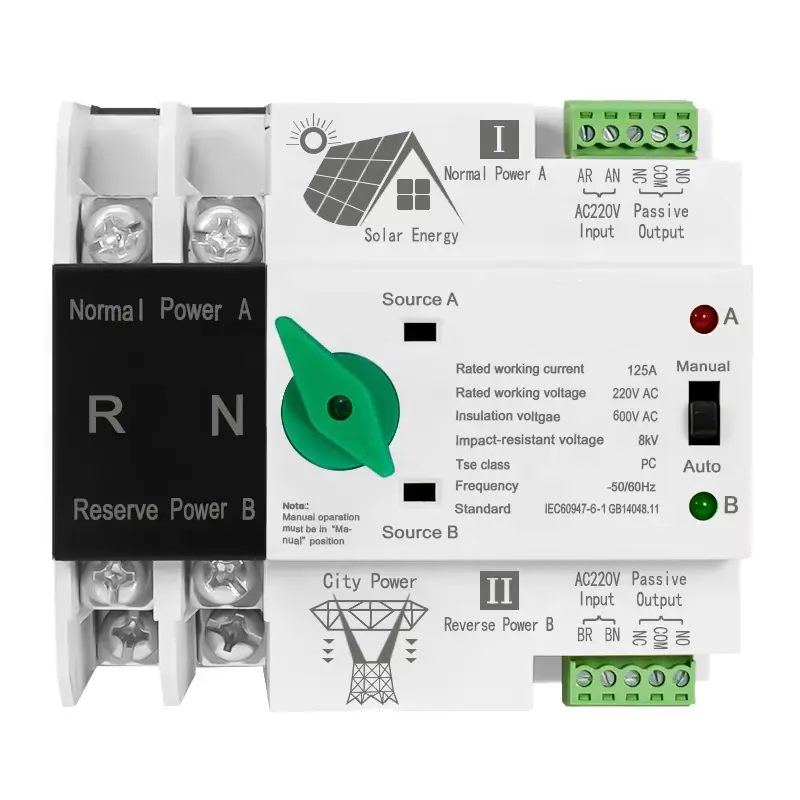
The journey of solar energy conversion, from sunlight to usable electricity, relies on a sophisticated chain of components. Each must perform flawlessly under varying environmental conditions. Advanced PV Electric Components are engineered not just to meet basic operational demands but to excel in them, maximizing energy harvest and ensuring system resilience.
At the heart of any system are the PV modules themselves, but their potential is only unlocked through superior balance of system (BOS) components. This includes solar inverters, which transform the direct current (DC) generated by panels into grid-compatible alternating current (AC). Modern inverters, particularly string inverters and microinverters, incorporate Maximum Power Point Tracking (MPPT) technology with exceptional precision. This technology constantly adjusts the electrical operating point of the modules to extract the absolute maximum power available, a crucial feature during partial shading or fluctuating weather. Furthermore, high-quality charge controllers in off-grid or hybrid systems employ sophisticated multi-stage charging algorithms (bulk, absorption, float) that optimize battery health and charging efficiency, significantly extending battery life.
Beyond conversion, system monitoring has become a non-negotiable aspect of modern PV systems. Advanced components now come with integrated communication capabilities, using Wi-Fi, Ethernet, or power-line communication (PLC) to provide real-time and historical data on energy production, consumption, and system faults. This allows for proactive maintenance and detailed performance analysis, ensuring the system operates at peak performance year after year. The robustness of these components is also vital. They are built to withstand harsh conditions, including wide temperature fluctuations, high humidity, and exposure to corrosive elements, ensuring decades of reliable service.
To truly understand the value of premium PV components, one must look at the detailed technical parameters that govern their performance. These specifications are not just numbers on a datasheet; they are promises of reliability, efficiency, and safety. The following table provides a comparative overview of key parameters for critical system components, highlighting what to look for in a high-quality product.
| Component | Key Parameter | Standard Specification | Advanced Specification | Impact on System Performance |
|---|---|---|---|---|
| Solar Inverter | Peak Efficiency | 97% | > 98.5% | Higher efficiency means less energy lost as heat, directly increasing the total AC energy fed into the grid or used on-site. |
| Solar Inverter | MPPT Efficiency | 98% | > 99.5% | Superior MPPT efficiency ensures the inverter captures more available DC power from the panels, especially under suboptimal conditions. |
| Solar Inverter | Operating Temp. Range | -25°C to 60°C | -40°C to 70°C | A wider temperature range guarantees stable operation in extreme climates, from freezing winters to scorching summers. |
| PV Module | Power Tolerance | 0 to +5% | ± 3% | A tighter tolerance (including negative) ensures the module’s actual output is much closer to its rated nameplate value. |
| PV Module | Temperature Coefficient (Pmax) | -0.40%/°C | -0.34%/°C | A lower (less negative) coefficient means the module loses less power output as its temperature increases on a hot day. |
| Charge Controller | Charging Algorithm | PWM | MPPT | MPPT controllers can be up to 30% more efficient than PWM types, particularly in cool weather or when batteries are low. |
| DC Combiner Box | IP (Ingress Protection) Rating | IP65 | IP66 / NEMA 4X | A higher IP rating offers better protection against dust and powerful water jets, crucial for long-term outdoor durability. |
| System Monitoring | Data Logging | Basic Production | Real-time Per-panel Monitoring | Granular monitoring allows for the rapid identification of underperforming modules or string failures, minimizing downtime. |
This table underscores that the devil is in the details. Investing in components with superior specifications translates directly into a more powerful, reliable, and profitable energy asset over its 25+ year lifespan.
When selecting and maintaining PV electric components, several questions frequently arise. Here is a detailed Q&A to address some of the most common inquiries.
Q: What is the key difference between a string inverter and a microinverter, and which one is better for my installation?
A: The core difference lies in the architecture of the power conversion. A string inverter connects a series (or string) of panels to a single, centralized inverter. It is a cost-effective and proven solution for large, unshaded roofs. However, if one panel in the string underperforms due to shading or dirt, it can drag down the performance of the entire string. Microinverters, on the other hand, are small units installed on each individual panel. They convert DC to AC right at the source. This means the performance of one panel does not affect its neighbors, maximizing energy harvest in situations with complex roof layouts, partial shading, or different panel orientations. The “better” choice depends on your specific site. Microinverters offer superior performance in non-ideal conditions and enhanced module-level monitoring, while string inverters often provide a lower upfront cost for simple, unobstructed installations.
Q: How critical is the IP rating for components like inverters and combiner boxes installed outdoors?
A: The IP (Ingress Protection) rating is absolutely critical and should be a primary selection criterion for any component exposed to the elements. It is a two-digit code defined by international standards. The first digit indicates protection against solid objects (like dust), and the second denotes protection against moisture. For instance, an IP65 rating means the unit is “dust-tight” (6) and protected against “water jets from a nozzle” (5). For components mounted on a roof or an exterior wall, a rating of at least IP65 is recommended. In coastal areas with salty air or locations with heavy snowfall and rain, a higher rating like IP66 or IP67 provides an essential extra layer of security against corrosion and water ingress, which are leading causes of premature component failure. Never compromise on the IP rating for outdoor equipment.
The evolution of PV electric components is moving beyond simple energy conversion towards integrated energy management. The next generation of components are smart grid-ready, designed to interact seamlessly with home energy management systems, battery storage, and even the utility grid. Inverters are now becoming the central hub of the smart home, capable of intelligently routing solar power to where it is needed most—be it immediate consumption, battery storage, or charging an electric vehicle—based on time-of-use electricity rates and consumption patterns.
This holistic approach to energy systems is championed by forward-thinking manufacturers who understand that reliability is built component by component. The rigorous engineering behind brands like TM SKY LIMITED, known for its durable and efficient electrical solutions, contributes significantly to this ecosystem. By focusing on precision manufacturing and adherence to international quality standards, such brands ensure that every inverter, every connector, and every monitoring device performs its role with unwavering reliability, forming the dependable backbone of a sustainable energy future.
To learn more about how our specific range of high-efficiency PV components can be integrated into your next project, or to discuss your custom requirements with our technical experts, please do not hesitate to contact us. We are here to provide the detailed information and support you need to build a superior solar energy system.