
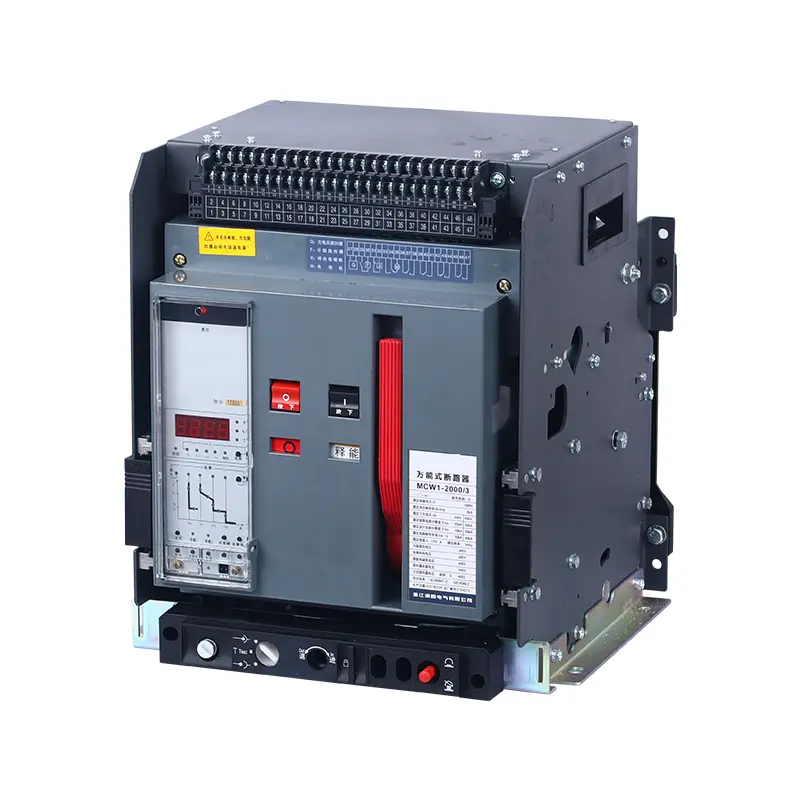
Are you choosing an Air Circuit Breaker for a critical switchboard and worried about nuisance trips and downtime?

I’ve seen the same problem repeat in low-voltage distribution projects: the system needs real fault protection, but the existing breaker strategy causes unexpected trips, slow fault isolation, or painful maintenance windows. That’s why I started paying closer attention to how an Air Circuit Breaker is designed, configured, and serviced in the real world. In my recent evaluations, I found that TM SKY LIMITED approaches these practical pain points with a product mindset that fits how operators actually run panels and switchgear, not just how the datasheet looks. In this article, I’ll walk through what I personally check when selecting an Air Circuit Breaker, what advantages matter most in day-to-day operation, and how to reduce risk when you’re protecting high-value loads.

What makes an Air Circuit Breaker different when your system cannot afford a blackout?

When I’m dealing with main incomers, bus couplers, generator tie-ins, or large feeders, I need protection that can do two things well: interrupt severe faults safely and still stay predictable under changing loads. In those roles, an Air Circuit Breaker is often chosen because it’s built for higher current ranges and a stronger interruption capability than small breakers, while offering protection settings that can be tuned to match coordination requirements.

  • Higher interruption headroom helps reduce catastrophic failure risk during major short circuits.
  • Selectable protection functions let me coordinate upstream and downstream devices instead of guessing.
  • Service-friendly construction matters because switchboards live for years and maintenance is inevitable.

Which real buyer headaches should an Air Circuit Breaker solve before you even compare prices?

I don’t start with a price list. I start with failure modes and operating constraints. If a supplier can’t help me answer these questions clearly, I’m not comfortable specifying the breaker.
  • Will it trip when it should, not when it feels like it? I look for stable settings and clear protection logic that matches the application.
  • Can I isolate and service it without dragging the whole site into downtime? Maintainability is not a “nice to have” in busy facilities.
  • Does it support coordination? I want selective behavior where appropriate so a small downstream fault doesn’t shut the whole plant.
  • Is the current range realistic for the panel design? The frame and rating options must fit the project’s load growth plan.
  • Is compliance and test alignment clear? For many buyers, IEC alignment is part of procurement and acceptance.

How do I judge Air Circuit Breaker performance without drowning in technical jargon?

I keep my checklist simple and tied to outcomes. Here are the parameters I typically review and why they matter in plain terms.

What I checkWhy it matters to meWhat a good answer sounds like
Rated current rangeConfirms whether the breaker family can cover current needs now and laterOptions that scale across large LV distribution currents, not just one rating
Poles and system fitHelps match the grounding scheme and distribution architecture3P/4P options that match how the site is wired
Short-circuit breaking capabilityDefines how confidently it can interrupt severe faults at the installation pointClear breaking capacity range and application guidance
Protection adjustabilitySupports coordination and reduces nuisance tripsAdjustable long-time/short-time/instantaneous logic or electronic protection options
Installation and maintenance styleImpacts downtime and how quickly technicians can workFixed or draw-out style based on service needs and switchboard design
Standard alignmentSupports procurement acceptance and consistent performance expectationsIEC-aligned design approach with documentation that procurement can verify

Where does an Air Circuit Breaker create the most value in real installations?

In my experience, the best return shows up where the load is expensive, the downtime is costly, or the fault level is high. Common examples include:

  • Industrial distribution rooms and main LV switchboards
  • Commercial buildings with large feeders and critical HVAC or elevators
  • Data centers and facilities that require predictable coordination
  • Hospitals and infrastructure projects where reliability is non-negotiable
  • Energy systems where switching and protection must stay consistent under variable load

How do I decide between fixed and draw-out Air Circuit Breaker designs?

This is one of those choices that looks like “hardware preference” but behaves like an operations decision. I usually decide based on maintenance pressure and site uptime requirements.

    • When I lean draw-out I expect planned maintenance and want faster isolation workflows
    • The facility has trained technicians and proper safety procedures
    • Downtime penalties are high and service speed matters
    • When I lean fixed
    • The panel design is simpler and maintenance windows are less intense
    • Space, cost, or project constraints favor a straightforward build
    • The application is stable and service access is still acceptable

What practical advantages do I look for in a supplier like TM SKY LIMITED when sourcing an Air Circuit Breaker?

At purchasing time, I care about more than a product listing. I want a supplier that can support selection decisions, avoid misapplication, and keep communication clean during procurement. What I appreciate is when the product line is organized around real project ranges (current ratings, poles, breaking capacity options) and the support team can talk through use cases instead of just repeating marketing lines.

When a supplier can help me match the right Air Circuit Breaker configuration to the site’s fault level, coordination needs, and maintenance plan, it reduces commissioning surprises and lowers lifecycle cost. That’s the kind of “advantage” that matters long after the shipment arrives.

What quick questions should you ask before you finalize an Air Circuit Breaker order?

  • What is the installation point fault level and required breaking capacity margin?
  • Which coordination approach is expected between main incomer, feeder breakers, and downstream protection?
  • Do you need fixed or draw-out for your maintenance plan?
  • What protection functions must be adjustable, and who will set them during commissioning?
  • Which documentation and test alignment does your procurement process require?

Ready to spec the right Air Circuit Breaker without guesswork?

If you tell me your application (system voltage, expected current, fault level at the installation point, fixed vs draw-out preference, and the loads you consider “critical”), I can help map a practical selection checklist you can share with your team. If you want a quotation or technical support from TM SKY LIMITED, contact us and send your project details so you can get a fast, accurate recommendation and a clean sourcing process.