
Summary: Fusible disconnect switches are essential for protecting electrical circuits and ensuring safety in industrial and commercial environments. This guide explains their functionality, advantages, types, and key considerations when selecting the right switch for your application.
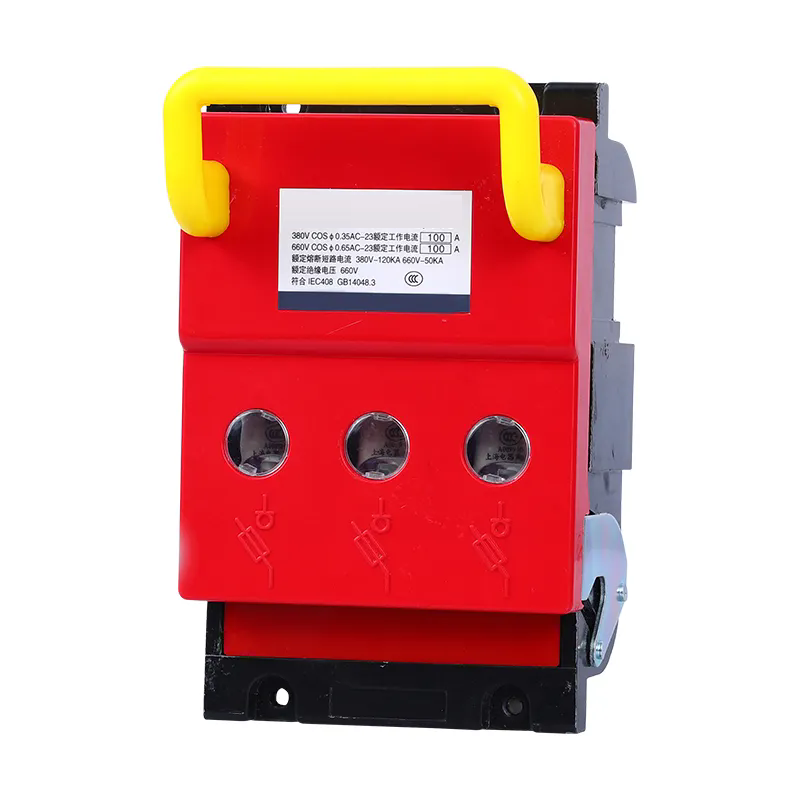
A fusible disconnect switch is a safety device designed to protect electrical circuits from overcurrent conditions. By combining a switch with a fuse, it interrupts the circuit when the current exceeds a safe level, preventing damage to equipment and reducing the risk of fire.
The operation of a fusible disconnect switch is straightforward yet critical for safety:
Under normal conditions, the switch allows current to flow through the fuse element.If an overcurrent occurs, the fuse melts, opening the circuit immediately.The switch provides a visible or lockable disconnect point for maintenance or emergency shut-off.
This combination of a fuse and a disconnect switch ensures protection against both overloads and short circuits, minimizing downtime and maintenance costs.
Application: Industrial machinery and panel boards
Voltage Rating: 600V AC
Key Features: Compact, easy installation, visible fuse status
Application: Transformers, solar inverters, and outdoor equipment
Voltage Rating: 600V AC
Key Features: Weatherproof enclosure, high durability
Application: High-load industrial operations
Voltage Rating: 1000V AC
Key Features: High interrupt rating, rugged construction
Proper installation and maintenance are critical for the reliable operation of fusible disconnect switches:
Following these guidelines ensures long-term protection and avoids unexpected downtime.
Q1: Can a fusible disconnect switch be used for both AC and DC circuits?A1: Most fusible disconnect switches are designed for AC circuits. For DC applications, ensure the switch is rated for DC voltage to prevent arcing and safety hazards.
Q2: How often should the fuse be inspected?
A2: Fuses should be inspected during routine maintenance or whenever the switch trips. Visible indicators on the switch help identify blown fuses.
Q3: What is the main advantage of a fusible disconnect switch over a standard circuit breaker?
A3: Fusible disconnect switches provide both isolation and precise overcurrent protection with a visible disconnect, which is particularly valuable in industrial and outdoor applications.